In many civilizations, the sun stands for life and/or strength. Why? These ancient symbols seem to have strong connections. Is it true that a symbol can be independent of (man-made) conventions?

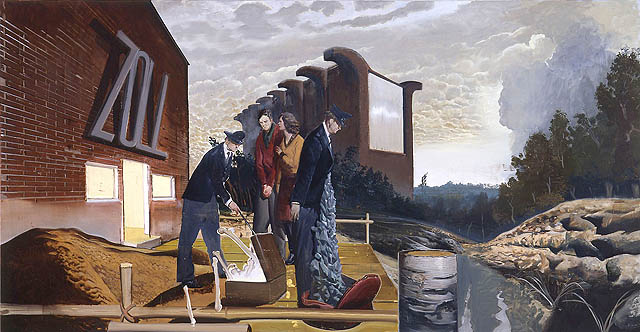
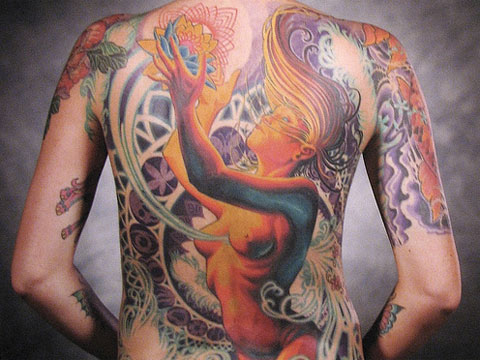 Today's continuing redrawing of the boundaries of art in graffiti art, in signage art, and in the various various forms of appropriation of the art of predecessors reflects our continuing exploration of areas of experience in a complex and rapidly changing world. In my view, recent art reflects a series of strong responses to provocative circumstances with themes of hedonism, humor, pathos, sexuality, compassion and concern, and others, which are presented to middle-class and non-middle-class audiences in a variety of traditional and nontraditional settings, from gallery to street corner to ballpark. Part of the puzzle and challenge in interpreting modern visual art is in the making of connections to what's happening in society as well as to prior art and to the intentions and concerns of the artist. --Marilyn Jahn, Art Journal, Vol. 53, 1994.
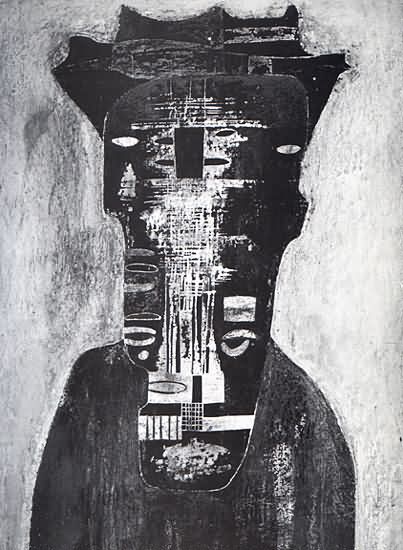

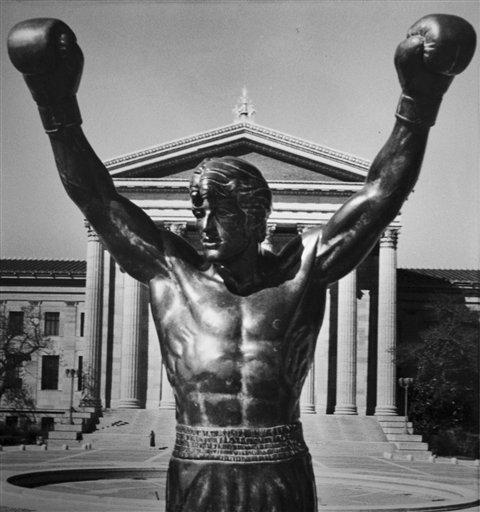


 From here on, let's look at the following: 1- Physical environment, 2- Medium in which the craftsman works, 3- Materials and techniques, personality of the artist, 4- The artist's role in society, 5- The nature of the visual language artists use, 6- The visual forms to which the artist has been exposed and 7- The nature of the aesthetic canon by which the creative process is guided and judged.-- Evelyn Payne Hatcher, Art as Culture: An Introduction to the Anthropology of Art (Bergin & Garvey, 1999).