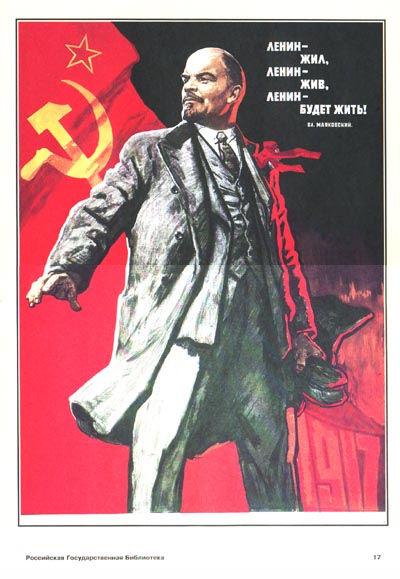
1- The term
propaganda comes from the title and work of the
Congregatio de Propaganda Fide (Congregation for Propagation of the Faith), an organization of Roman Catholic cardinals founded in 1622 to carry on missionary work. 2- Propaganda also means
agitation. Elaborating upon
Lenin's pamphlet What Is To Be Done? Russian Marxist
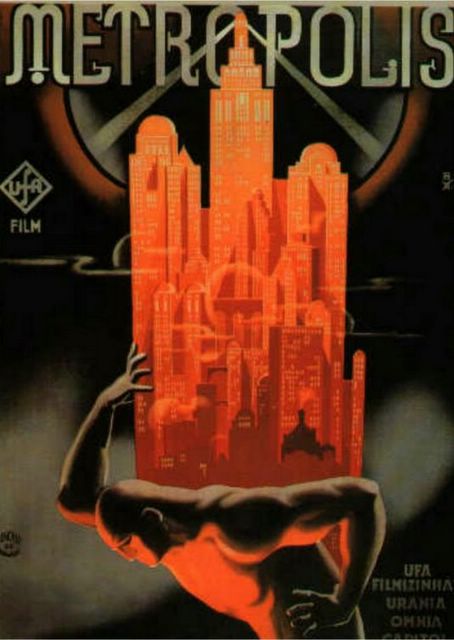
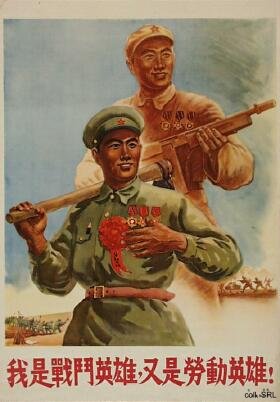
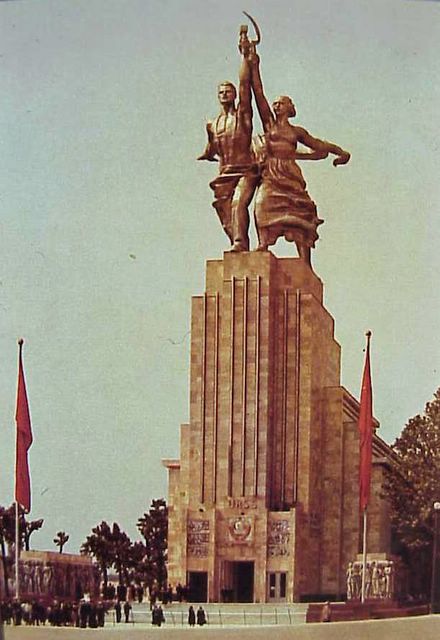
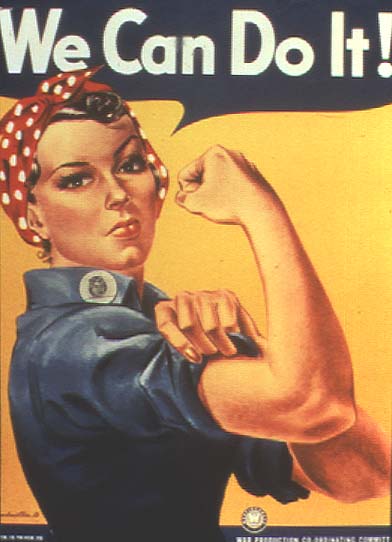
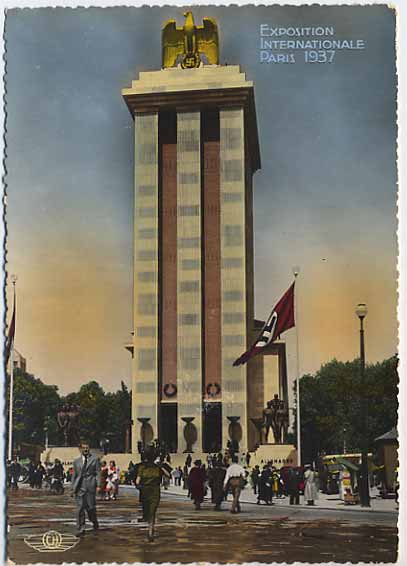
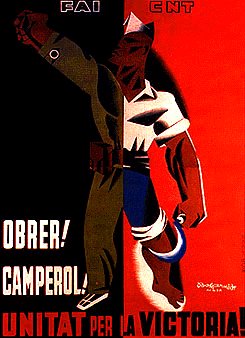
Georgy Plekhanov defined propaganda as “the reasoned use of historical and scientific arguments to indoctrinate the educated and enlightened.” He defined
agitation as the use of "slogans, parables, and half-truths to exploit the grievances of the uneducated and the unreasonable." He regarded both strategies as absolutely essential to political victory and twinned them in the term agitprop. 3- This is how
Joseph Goebbels (Hitler's minister of Propaganda) understood it: "Political propaganda in principle is active and revolutionary. It is aimed at the broad masses. It speaks the language of the people because it wants to be understood by the people. Its task is the highest creative art of putting sometimes complicated events and facts in a way simple enough to be understood by the man on the street. Its foundation is that there is nothing the people cannot understand, but rather things must be put in a way that they can understand. It is a question of making it clear to him by using the proper approach, evidence, and language." 4- Propaganda manipulates other people's beliefs, attitudes, or actions by means of symbols: Words, gestures, banners, monuments, music, clothing, insignia, hairstyles, designs on coins and postage stamps, and so forth. 5- At the level of symbols: Gestures (a military salute); postures (a weary slump, folded arms, a sit-down, an aristocratic bearing); structures (a monument, a building); items of clothing (a uniform, a civilian suit); visual signs (a poster, a flag, a picket sign, a badge, a printed page, a commemorative postage stamp, a swastika scrawled on a wall); all these constitute instances of propaganda. 6- Contemporary propaganda employs elaborate social-scientific research facilities to conduct opinion surveys and psychological interviews in efforts to learn the symbolic meanings of given signs. Written media include letters, handbills, posters, billboards, newspapers, magazines, books, and handwriting on walls and streets. Among audiovisual media, TV is the most powerful. 7- Although propaganda and advertising share a number of strategies, I prefer not to overlap them.
Advertising includes all forms of paid, nonpersonal communication and promotion of products, services, or ideas by a specified sponsor. It appears in print media (newspapers, magazines, billboards, flyers) or broadcast (radio, TV). We'll tackle the issue later on in the semester.