Sunday, November 13, 2005


"Virgin Mary" -- Chris Ofili

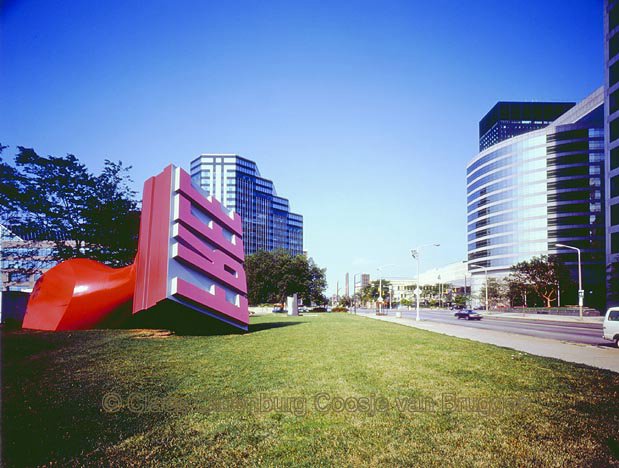
"Free Stamp" -- Oldenburg

"Madame X" -- John Singer Sargent

"The Absinthe Drinker" -- Degas

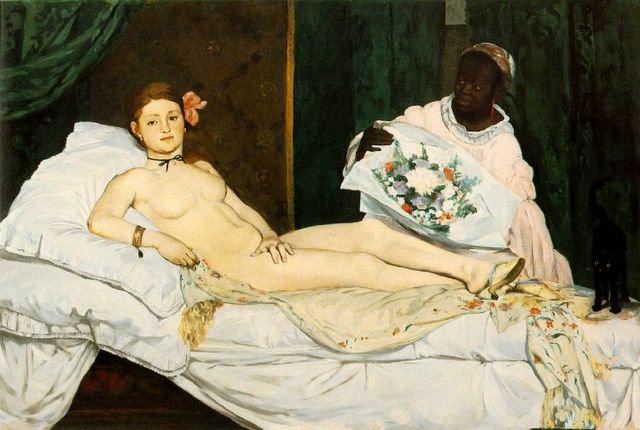
"Olympia" -- Manet

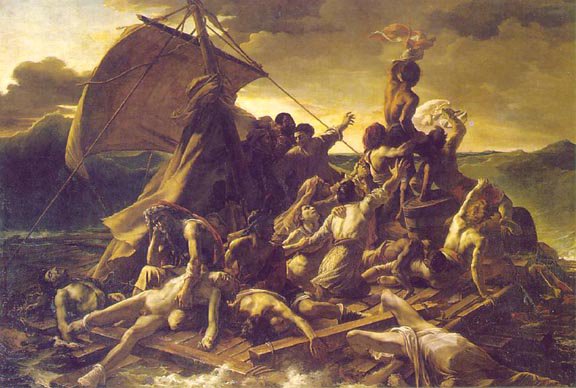
"Raft of the Medusa" -- Gericault

Friday, November 11, 2005

Gavin Perry

Gavin got lost, but I'm glad he made it in time for his presentation. What are your thoughts?

Wednesday, November 9, 2005

Update

Tomorrow, Gavin Perry, a well-known Miami artist will talk to our class. I’m still missing some homework handouts and comments on these posts.

Friday, November 4, 2005

Cooper's presentation (2)

It's time to discuss Cooper's presentation. Any comments?

Monday, October 31, 2005

Cooper's presentation

I just got the Ok from Cooper. He will talk to our class this Thursday. A founder of Locust Projects and a well-known Miami artist, Cooper’s works are somewhat cryptic but strong. He’s also a character. I’m sure his presentation will be special. Let’s establish that your projects should be already sketched and since most of it is installation of some sort, let’s discuss presentation issues. My last two posts remain pretty empty. As everything comes back to normal, please, let's exchange some opinions.

Friday, October 28, 2005

Update

Writing this update from a cyber cafe. I hope you're all safe after Wilma's sudden and tempestuous visit. On a different note, Liz Cerejido, a well-known Miami artist and FIU Museum curator was supposed to come this Thursday. It was the third cancellation of a female artist --to have a presentation in our class.

Sunday, October 23, 2005

 
 Posted by Picasa

Oldenburg's "Broche"

George Segal

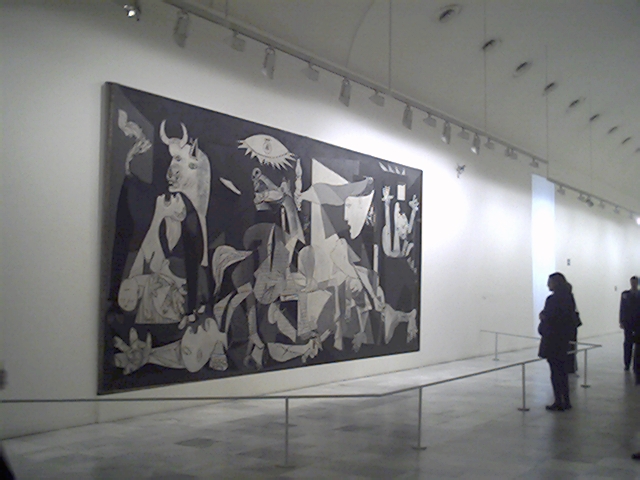
Picasso's "Guernica"

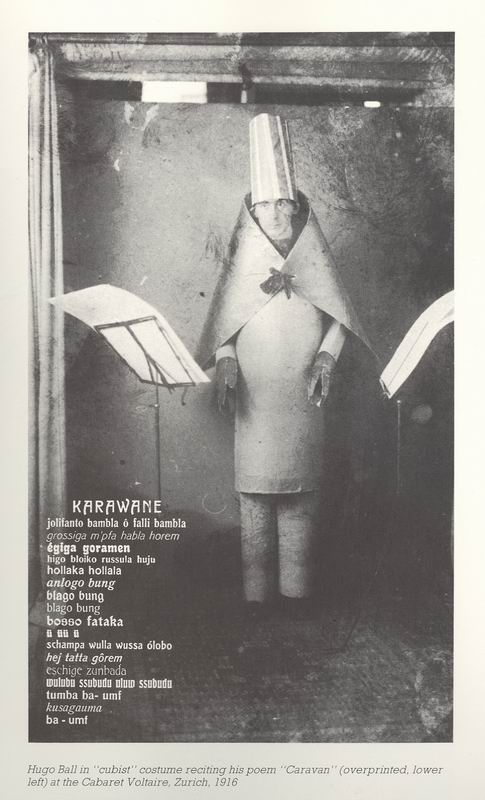
Hugo Ball in Dada costume

Schwitters' "Merzbau"

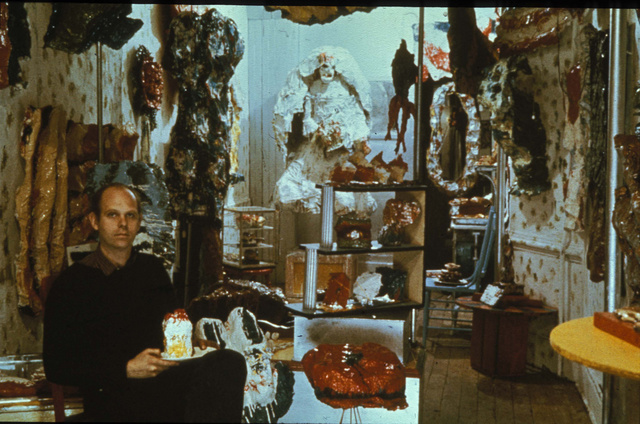
Oldenburg "The Store" (1961)

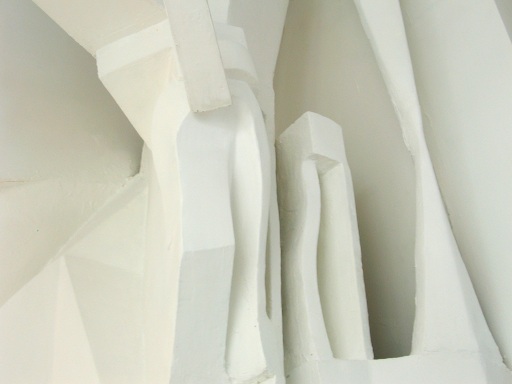
Dieste's Church (Uruguay)

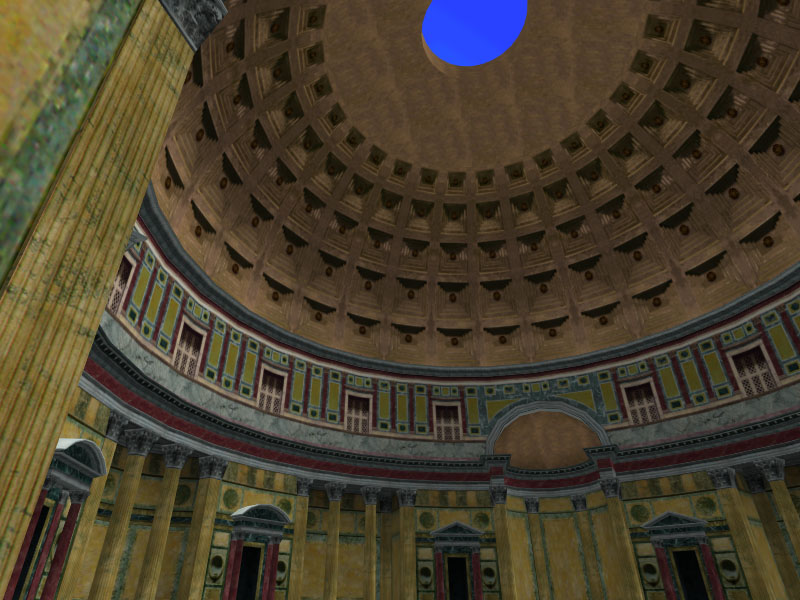
Pantheon (occulus)

Roman Catacombs

Parthenon
Posted by Picasa

Installation art

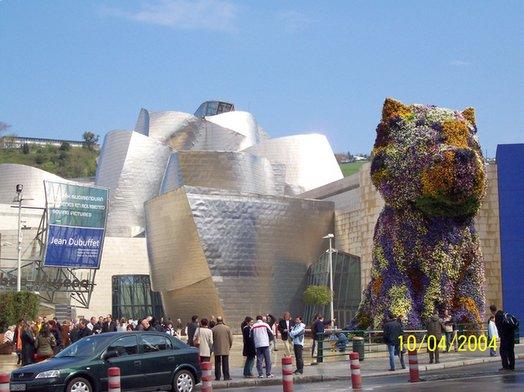
As per installation art there’s always a relationship between void and mass. Art brings illusion, whether as a flat rectangle -as in painting- or as sculpture. Ancient pyramids are huge geometric solids (there’s no division between Amun and the Pharaoh). Athens’ Parthenon brings forth the idea of order, symmetry and scale in function of the citizen. Fast-forward 500 years to Rome’s Pantheon and we find a redefinition of the private/public in the stability and permanence of the empire. In Romanesque architecture the inside means worship and domesticity, while the outside remains dangerous (thus the fortress). Modern science redefines our relationship with space. With the invention of the elevator, buildings can go up dozens of stories; the car (a little room on wheels) takes our intimate living outside. With quantum mechanics, space becomes non-Euclidean. 20th-century art erases the boundaries between object/subject, inside/outside, private/public with Kurt Schwitters’ Merzbau, Duchamp’s ready-mades, the vast canvases of Pollock, Newman and Still, Frank Stella’s shaped canvases (which broke the hegemony of the rectangle), Sol Lewitt’s wall drawings, Carl Andre’s flat sculptures, Smithson’s earth works, Kaprow’s happenings, Claes Oldenburg’s The Store, and the tableaux of Segal, Kienholz and Tom Wasselmann. Today, buildings look sculptural (Gehry's Guggenheim Museum), while interiors are designed as exteriors (Zaha Hadid).

Friday, October 21, 2005

Dorsch

Any comments on Brook’s presentation last night?

Tuesday, October 18, 2005

Brook Dorsch this Thursday

I just confirmed Brook Dorsch, director of the Dorsch Gallery (one of Miami's most important venues) will come to talk to the class this Thursday. It should be interesting to have his view point. Bring your questions.

Sunday, October 16, 2005


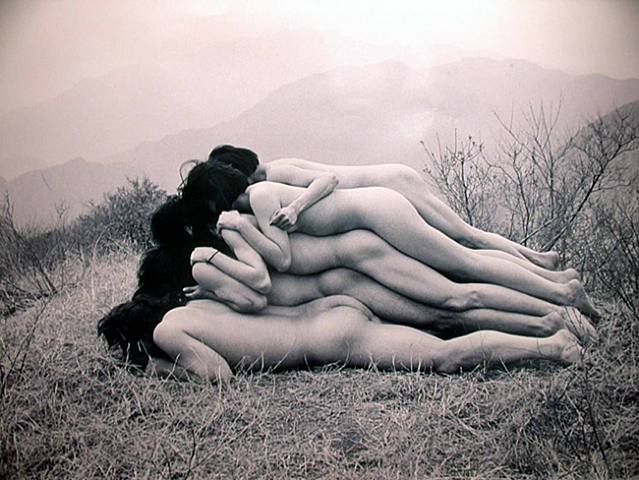
Zhu Ming "Add One Meter To a Mountain"

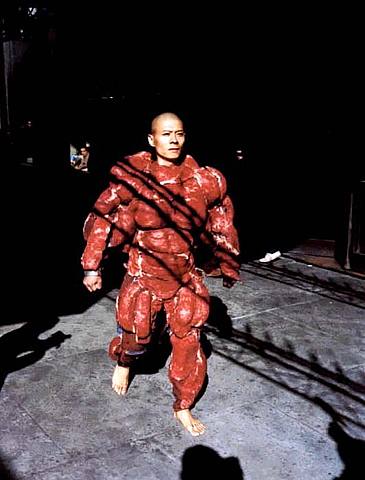
Zhang Huan "My New York"

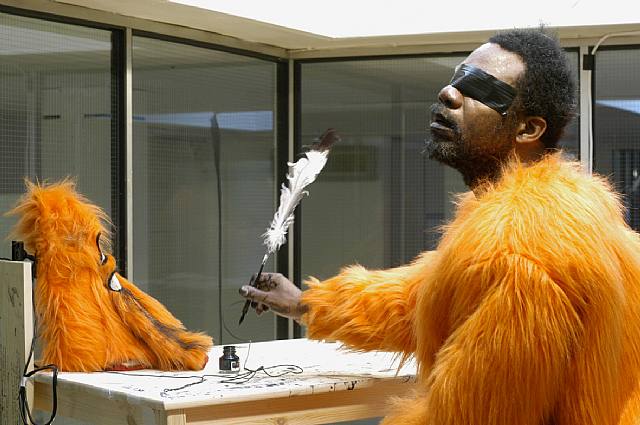
William Pope. L. "Wittgenstein and my brother Frank"

Shintaro Miyake "Innocy's House"

Michael Heiman "Test No. 2"

Performance art

For our show in December, I’d like you to consider the possibility of performance. Since the early 1900’s Futurismo and then Dada brought forth new ways of doing art. Back then, performance art was seen as futuristic theater or dada events. In the late 1950’s they called them “happenings.” It was about the action and the body; a moving painting, live-sculpture, less-than and more than theater. Performance is like art in the living flesh: sensual, weird, ephemeral and always cathartic. If done well, it touches you, and makes you think.