Wednesday, November 16, 2005
Update
Artist Mirna Massengale is coming to class tomorrow. She makes these interesting photos where she stages young people in odd places exhuding a sexy attitude that mixes ghetto, high fashion, and makeup as art.
Sunday, November 13, 2005
The power of images
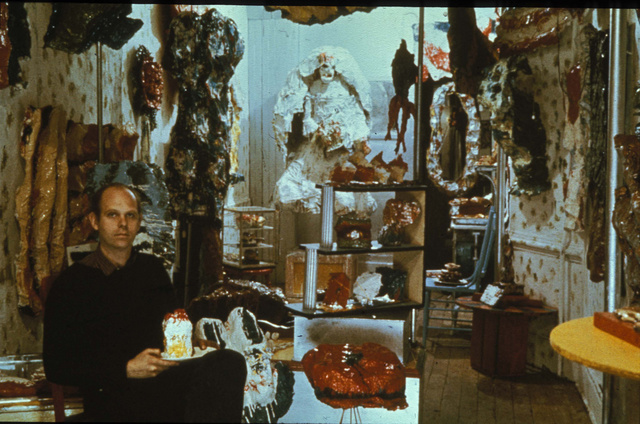
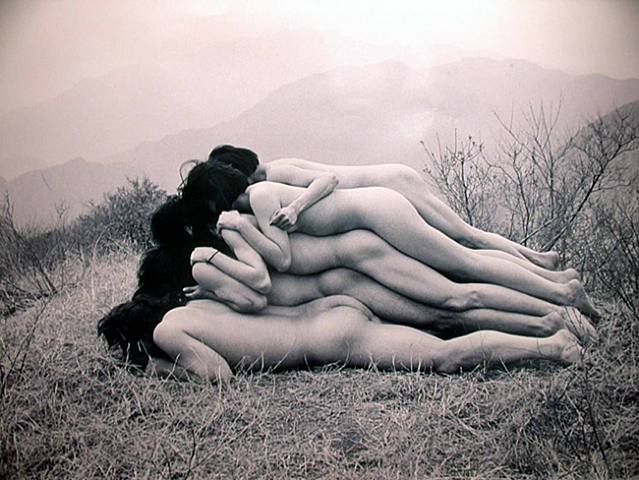
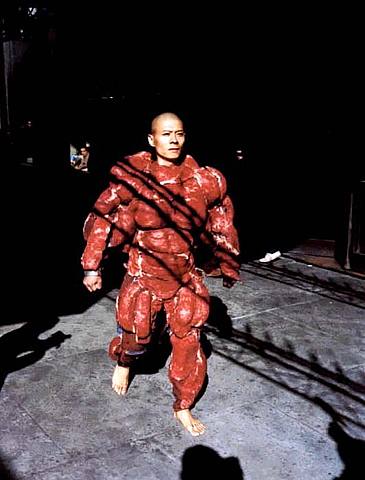
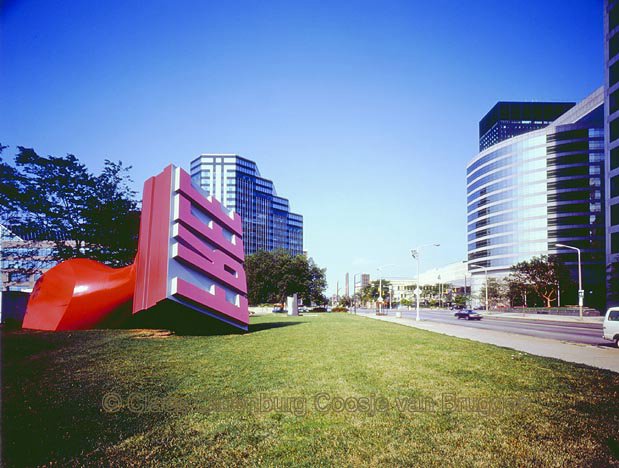
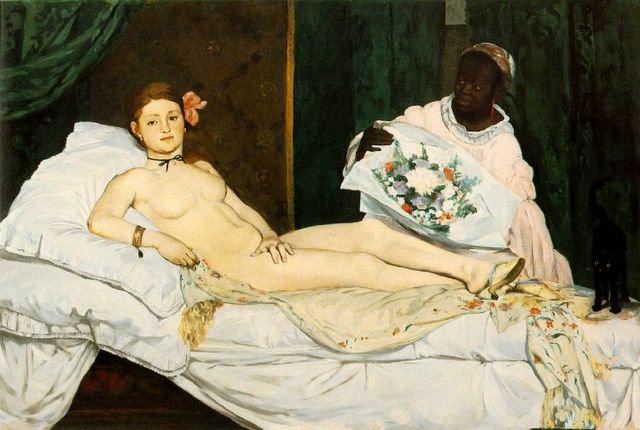
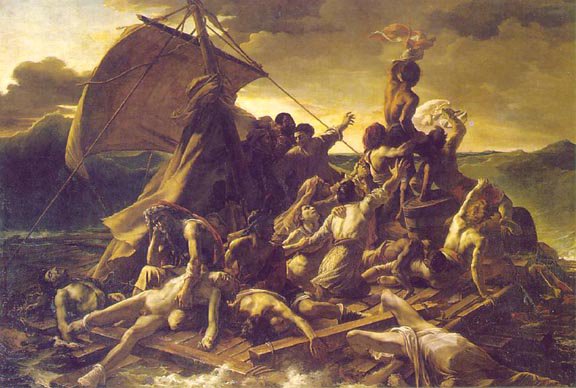
For centuries, there have been tensions between art and morals and politics. It all boils down to how visual we are, how much importance we give to images (think how Semitic religions absolutely forbid idolatry, which is why Islam has no iconography). Artworks belong in the aesthetic realm, that is to say, they deal with matters of taste, rather than matters of fundamental importance in human interactions, like morality. People know that a movie is a movie, but the depiction of certain narratives can stir profound emotions to the point of violent reaction and censorship. Is it Ok to censor (or condemn) images just because they touch "difficult" subjects? Can one conflate artworks with the real thing? On the other hand, is there a limit that an artist should not trespass for fear of hurting individuals or a group? In what follows, I’ll show some images that have stirred a great deal of controversy. I commented most of these artworks in class, except Oldenburg’s "Free Stamp" and Ofili's "Virgin Mary," which was made with elephant dung. Ofili's painting was part of the 1999 Sensation exhibition at the Brooklyn Museum and was publicly attacked by Mayor Giuliani, who threatened to withhold $7 million per year from the Brooklyn Museum of Art if it didn't cancel the exhibition. Oldenburg's sculpture is one of the most controversial works of art displayed in the City of Cleveland. Free Stamp is a massive aluminum and steel sculpture with its large red handle sprawling across the lawn and metal base sinking into the ground displaying the word "FREE" in backwards letters to passersby on Lakeside Avenue. Many see it as an eyesore that is inappropriate for a location at the heart of the City’s Civic Center.



Friday, November 11, 2005
Gavin Perry
Gavin got lost, but I'm glad he made it in time for his presentation. What are your thoughts?
Wednesday, November 9, 2005
Update
Tomorrow, Gavin Perry, a well-known Miami artist will talk to our class. I’m still missing some homework handouts and comments on these posts.
Friday, November 4, 2005
Monday, October 31, 2005
Cooper's presentation
I just got the Ok from Cooper. He will talk to our class this Thursday. A founder of Locust Projects and a well-known Miami artist, Cooper’s works are somewhat cryptic but strong. He’s also a character. I’m sure his presentation will be special. Let’s establish that your projects should be already sketched and since most of it is installation of some sort, let’s discuss presentation issues. My last two posts remain pretty empty. As everything comes back to normal, please, let's exchange some opinions.
Friday, October 28, 2005
Update
Writing this update from a cyber cafe. I hope you're all safe after Wilma's sudden and tempestuous visit. On a different note, Liz Cerejido, a well-known Miami artist and FIU Museum curator was supposed to come this Thursday. It was the third cancellation of a female artist --to have a presentation in our class.